魂
书名:临时天堂|作者:笑无语|本书类别:古言|更新时间:11:21:00|字数:3896字
A |
阿里云优惠券 先领券再下单 国外gpu服务器多少钱一台因配置、品牌及地区差异,通常在800美元/月至8000美元/月不等。

B |
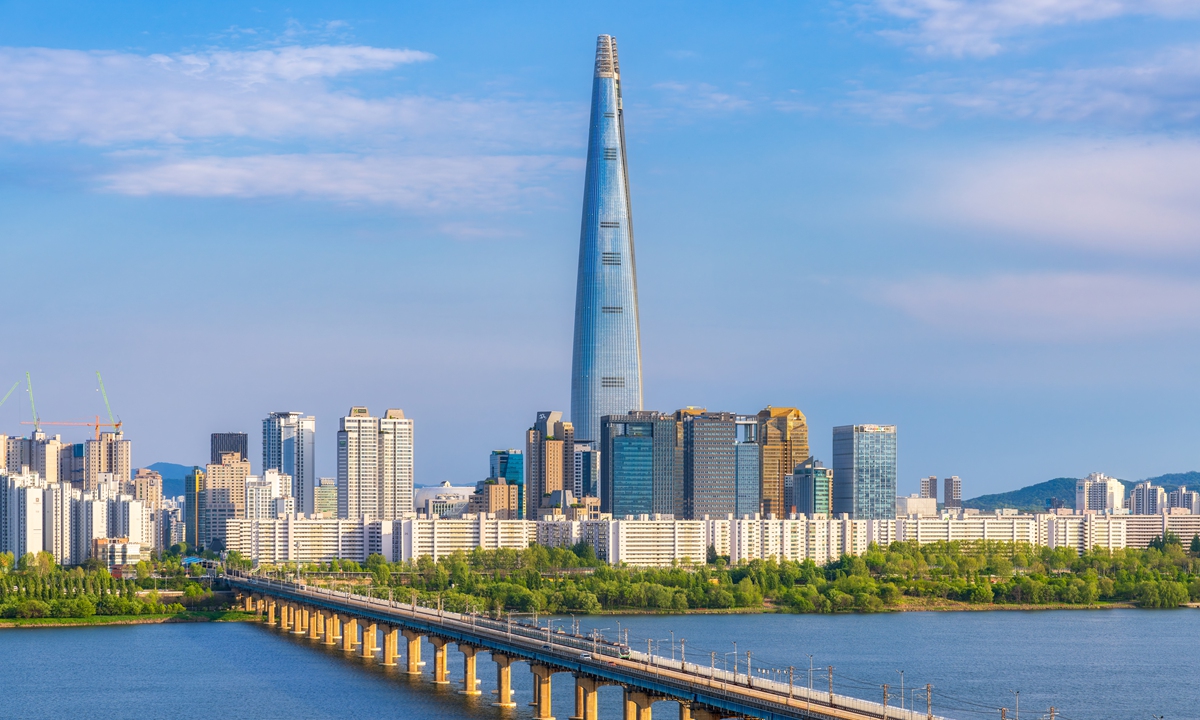
South Korea is grappling with scorching heat waves this summer, with temperatures soaring above 40 C in its capital city of Seoul for the first time since 2018. The extreme weather has dominated newspaper headlines lately, which has wreaked havoc on the people's health and agricultural production there.
For instance, with mass die-offs at the country's fish farms and catches declining, seafood prices are trending higher, according to South Korean media reports. Meanwhile, South Korean consumers' demand for cooling products is surging.
Against this backdrop, the unique strengths of China-South Korea economic and trade cooperation - characterized by flexible responses and regional short-chain supply arrangements - have been fully demonstrated.
Unlike countries in Europe and elsewhere in the West, or regions that rely on long-distance transportation, China and South Korea share geographical proximity and mature cross-border logistics system. Built through years of in-depth industrial collaboration, their circulation network drastically shortens supply chain routes and turnover cycles, delivering vital response in time of need.
Since the onset of the summer heat waves, a diverse array of Chinese-made goods - frozen beverages, portable handheld fans, pet cooling accessories and others - has flowed to the South Korean market. The rapid replenishment has provided relief to South Koreans grappling with soaring temperatures.
The "cool" trade that has blossomed between the two countries is fundamentally a story of mutual benefit and complementary strengths. While Chinese cooling supplies enter the South Korean market, Chinese consumers' demand for South Korean summer cosmetics and personal care products is heating up too. These two seemingly separate trade flows essentially reflect the deep-seated trade complementarity between the two neighbors.
Since the beginning of summer, "cool-feeling" cosmetics have become a shopping hit among Chinese consumers. Many South Korean products, featuring lightweight textures, durability and sweat-proof performance, have won growing market popularity.
The two-way trade flow is rooted in the alignment of the two countries' industrial structures and consumer needs, allowing both consumers to access what they require in the trade of "cool products" and achieve mutually beneficial outcomes.
The structural underpinnings of this synergy run deep. China's strength in agricultural production, cold‑chain infrastructure, and large‑scale manufacturing complements South Korea's prowess in beauty product research and development, good quality control and sophisticated brand operation. Most importantly, their geographical proximity allows such industrial complementarity to flourish.
From a broader perspective, global climate change seems to continue interfering with economic life in increasingly unpredictable ways. Caught in this dual pressure of escalating climate shock and global industrial restructuring, the significance of regional economic cooperation is being redefined. It is no longer limited to expanding market access and cutting operational costs; instead, it is deeply tied to safeguarding people's basic livelihoods in time of sudden unexpected disruptions.
The shortened transportation window brought by geographical proximity boosts the supply chain's response speed, enabling it to swiftly counter market volatility triggered by sudden emergencies.
The deep industrial integration that China and South Korea have nurtured over the past decades across sectors including electronics, beauty, agricultural products and cold-chain logistics has laid an exceptionally solid foundation for bilateral cooperation.
Currently, global supply chains are facing shocks from geopolitical conflicts, rising trade barriers as well as surging extreme weather patterns, leaving many long-distance global supply chains increasingly fragile and prone to sudden breakdowns.
The short-chain cooperation between China and South Korea has demonstrated that, in the era of growing uncertainties in the world, tapping deeper into regional industrial complementary advantages and building more stable and flexible cross-border industrial and supply chains is both an efficient choice to reduce circulation costs and a practical path to fend off risks to ensure industrial stability and protect people's livelihood.
。基础型配置(如NVIDIAT4+8核CPU+128GB内存)月租约800-1500美元,而高端型号(如A10080GB+双路EPYC)月租可达5000美元以上。短期租用与长期托管、是否含预装系统或专属带宽也会影响最终报价。 1.入门级配置:轻量级计算与测试 适用于小型AI模型训练或图形渲染,配置通常为1/8至1/4GPU共享核心,搭配2-4核CPU及8-16GB内存。

C | 例如: NVIDIAA16方案:年付最低仅需552.96美元,含2核CPU、8GB内存及50GBNVME存储,流量1TB,适合开发初期测试。 NVIDIAA40低配版:月付约55美元,支持灵活小时计费,适合短期任务。 2.中端配置:企业级应用与中等负载 面向中型数据处理或复杂模型训练,推荐1/2至1颗独立GPU,显存24-80GB,搭配6-12核CPU。

D | 例如: NVIDIAA100单卡方案:年付1,874.88美元,提供12核CPU、120GB内存及10TB流量,适合AI推理和视频处理。 NVIDIAA40全卡方案:月付1,339.20美元,支持多任务并行计算,适用于高密度渲染。

E | 3.高端配置:大规模集群与科研计算 针对深度学习训练或科学模拟,需多卡并行(4-8颗GPU)及高带宽内存。例如: NVIDIAA100四卡方案:月付7,500.24美元,48核CPU、480GB内存,显存320GB,满足超算需求。

F | NVIDIAA16八卡集群:年付约2.9万美元,支持48核与496GB内存,适用于金融建模与基因分析。 RAKsmart:稳定与性价比兼具的优选 作为全球服务商,RAKsmart凭借多地区机房布局与定制化方案,成为企业级用户的首选: 多样化GPU型号:覆盖NVIDIAA100、A40、A16全系列,适配不同场景需求。 高稳定性保障:全系采用NVME存储及TB级流量,支持7×24小时运维。 成本优化建议:对于中小团队,推荐硅谷机房A16共享方案,年付仅需552.96美元;大型企业则可选择洛杉矶A40多卡集群,兼顾性能与扩展性。 主机推荐小编温馨提示:以上是对国外gpu服务器多少钱一台相关内容介绍,国外GPU服务器的价格虽高,但合理选型能显著提升投入产出比。RAKsmart凭借灵活的配置选项与全球资源,为用户提供了从测试到生产的全链路支持。无论是初创团队还是大型机构,均可通过其高性价比方案实现计算资源的优化部署。关注RAKsmart,了解更多优惠信息!
申请创业报道,分享创业好点子。

G | 点击此处,共同探讨创业新机遇!。


